pRoducts
AFTERCARE
Menu

Post:
What is PUWER? A Complete Guide to Work Equipment Regulations
Published:
October 19, 2026
What is PUWER, and why is it crucial for workplace safety? The Provision and Use of Work Equipment Regulations (PUWER) aims to protect individuals by ensuring workplace equipment is safe to use and properly maintained.
Understanding PUWER is essential for businesses in any sector. In this guide, we’ll explain what PUWER stands for, who it applies to, and the key responsibilities employers must meet to be compliant with UK regulations.
PUWER stands for the Provision and Use of Work Equipment Regulations. It was introduced under the Health and Safety at Work Act in 1992 and updated in 1998 to define workplace safety and suitability.
PUWER applies to everyone in a workplace setting. This can include visitors, employees, and self-employed individuals in Great Britain as well as specified offshore areas. Key sectors include offices, factories, retail, schools, hospitals, and entertainment venues.
PUWER covers almost any equipment that can be used in the workplace.
This includes:
To make sure you’re complying with PUWER, organisations should:
The correct health and safety measures must be followed at all times when machinery is in use. This might include checking emergency stop systems, alarms, visible safety markers, and sources of electricity.
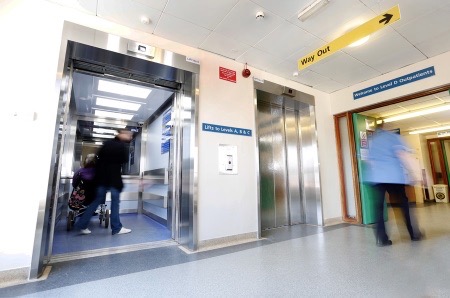
Passenger and goods lifts fall under PUWER, although there is some overlap with LOLER because lifts are classed as lifting equipment.
Compliance with PUWER regulations for lifts is essential to ensure safe operation and ongoing maintenance. For more information, see our guide on what LOLER stands for to learn more.
These regulations place specific duties on lift owners and operators carrying out regular inspections, including a regular inspection regime, competent person inspections, and keeping records.
To help identify safety or compliance issues early, read our guide on signs that your elevator needs repair.
The following areas can be assessed during a PUWER lift assessment:
If your workplace machinery is not following the correct PUWER regulations, a few steps can be taken to enforce it. The first step will usually be an issue for an improvement notice if the equipment has been considered poorly maintained. The equipment will be given 21 days to comply with the notice.
If the faults have not been addressed, then the next step will be a prohibition notice. This means the equipment cannot be used until the issues are dealt with. Failure to comply with notices can lead to more severe consequences such as fines, criminal prosecution, imprisonment or business shutdowns.
If you need advice on PUWER compliance or inspections, our technical team can help. Contact Acute Elevators to discuss lift servicing and ongoing support. With over 13 years of experience, we can assist you with any questions you may have.
The frequency of PUWER assessments depends on the risk level. Lower-risk items such as office equipment and hand tools require less frequent checks. However, lifts are classified as safety-critical, meaning they need more thorough assessments.
For lifts, there are two levels of inspections, including operator checks and more formal examinations by a competent person. For a PUWER lift assessment, passenger lifts must be examined every six months.
No, PUWER and LOLER are not the same. PUWER applies to all equipment, whereas LOLER specifically covers lifting equipment. However, if you have lifting equipment in the workplace, both regulations will apply.
Under PUWER, the employer or person in control of the equipment is responsible for PUWER in any work setting.
A competent person is someone with adequate knowledge, training, and experience to carry out inspections safely.


