pRoducts
SERVICES
Menu

Post:
What is the Cost of Lift Maintenance?
Published:
June 5, 2026
Lifts (or elevators) provide convenience, accessibility, and efficiency in both residential and commercial buildings. However, like any mechanical system, lifts require regular maintenance to ensure safety, reliability, and compliance with legal standards.
The cost of lift maintenance can vary widely based on factors such as the type of lift, its age, frequency of use, and location. Typically, lift maintenance in the UK ranges from several hundred to several thousand pounds annually.
Understanding the cost of lift maintenance is important for building owners, property managers, and facility operators. This quick guide explores the factors influencing lift maintenance costs, typical price ranges, types of maintenance, and tips for managing expenses effectively.
Lift maintenance goes far beyond keeping the lift operational; it is both a legal and safety requirement. In the UK, for example, the Lifts Regulations 2016 enforce regular lift inspections and servicing to make sure lifts remain safe for all users.
Routine maintenance prevents breakdowns by identifying wear and tear before it develops into costly repairs. It also makes sure that all components, including brakes, doors, and safety systems, function correctly, reducing the risk of accidents.
Beyond safety, regular upkeep helps building owners comply with legal obligations and maintain valid insurance, avoiding potential penalties.
The cost of lift maintenance can vary widely depending on several factors. Understanding these factors helps property owners budget appropriately.
Freight/goods lifts handle much heavier loads, causing greater wear and tear and therefore higher maintenance costs.
Passenger lifts, carry lighter loads but are generally used more frequently, travelling greater distances they experience less mechanical strain, but greater wear on moving parts resulting in similar ongoing maintenance requirements.
Home lifts, by contrast, are used infrequently, carry lighter loads, experience less mechanical strain, and have much less wear on moving parts, resulting in less maintenance requirements.
Hydraulic lifts require frequent fluid checks, cylinder inspections, and potential replacements. Traction lifts (geared or gearless) may have higher initial costs but often lower maintenance if properly lubricated and serviced.
Older lifts usually require more frequent inspections, part replacements, and retrofitting for compliance with modern safety standards, increasing ongoing costs.
Lifts in high-traffic buildings wear out faster, leading to more frequent maintenance and higher costs. Residential lifts with limited usage tend to incur lower maintenance costs.
The United Kingdom require periodic safety inspections and certifications. Adhering to these regulations adds to maintenance costs. Documentation and reporting is also mandated by law.
Indoor lifts are protected from the elements, which reduces corrosion and mechanical wear, making them easier and less costly to maintain.
Outdoor lifts, however, are exposed to weather conditions such as rain, wind, and temperature fluctuations, which can accelerate wear, corrosion, and maintenance needs.
Full-service maintenance contracts (covering all parts, labour, and emergency call-outs) cost more but reduce unexpected repair bills. Basic contracts or pay-as-you-go arrangements may seem cheaper upfront, but risk higher long-term costs due to emergency repairs.
Premium lift brands may have more durable components, reducing replacement frequency. Cheaper or generic parts might lower initial costs but increase long-term maintenance expenses.
Modernisation, whether through upgrades to meet new safety standards, improve energy efficiency, or replace outdated electronics, requires an initial capital investment. However, these improvements significantly reduce ongoing maintenance demands and costs, delivering long-term operational savings and reliability.
Lifts that frequently break down or require emergency servicing can increase maintenance costs.
The cost of skilled lift engineers varies by region. Remote locations may incur higher service fees due to travel and availability challenges.
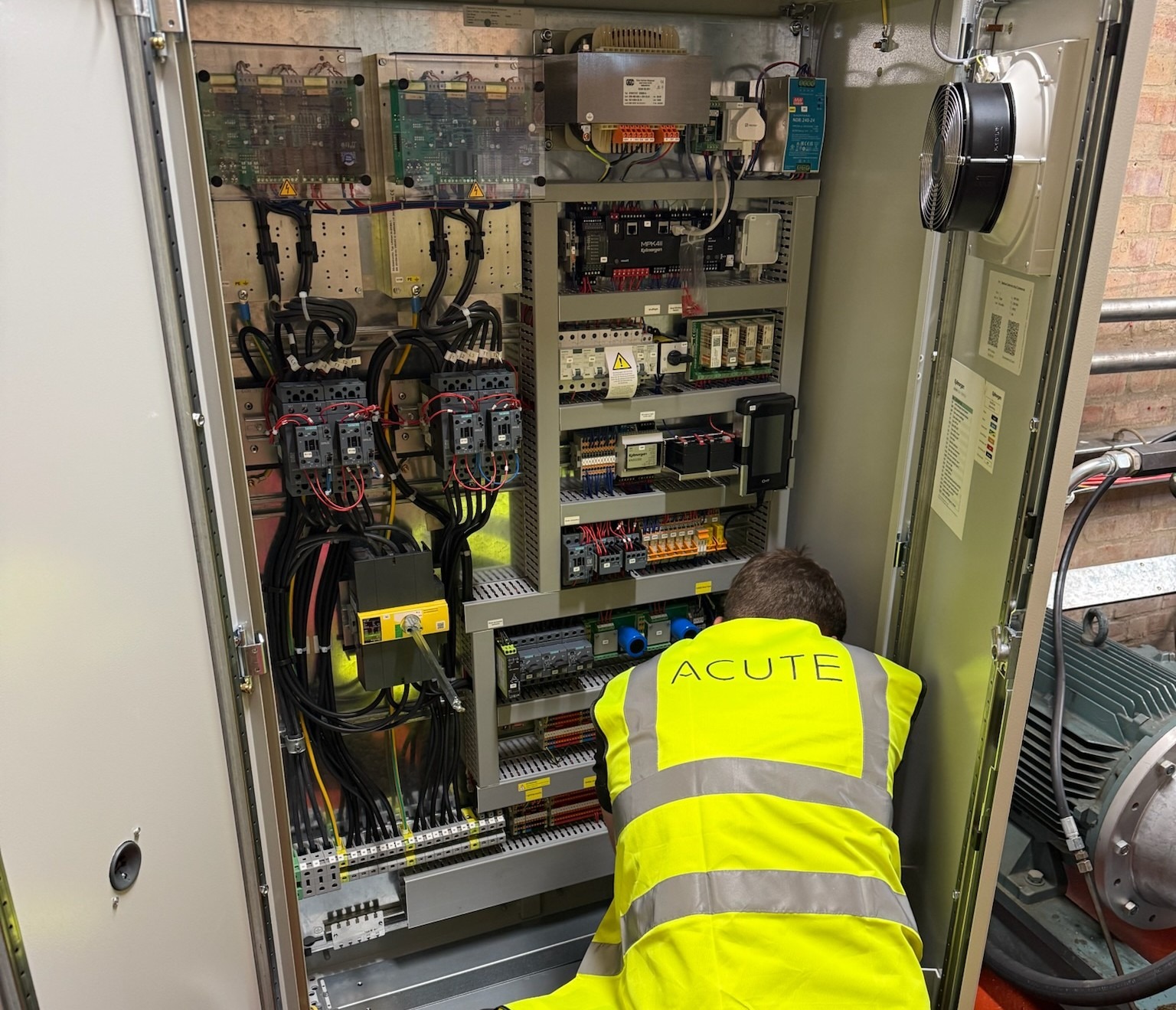
Regular lift maintenance is essential for safety, reliability, and smooth operation. A skilled lift maintenance engineer will focus on several areas during inspections and servicing:
Systematically checking these areas means your lift maintenance engineer can prevent breakdowns, extend the lifespan of the lift, and maintain compliance with safety regulations
Below is a simple breakdown of common lift types and service options, along with the typical annual costs you can expect.
Typical cost: £300–£1,300 per year
Applies to the Machinery Directive low-speed passenger lifts.
Typical cost: £450–£1,500 per year
Standard residential or office passenger lifts.
Typical cost: £450–£1,500 per year
Includes fluid checks and cylinder maintenance.
Typical cost: £600–£1,800 per year
Built for heavier usage, leading to more wear and tear.
Typical cost: £200–£600 per visit
Applies to urgent or out-of-hours repairs.
To support building owners and managers in planning effective lift maintenance, the guidance below outlines the recommended servicing intervals for different lift types. Following these schedules helps maintain safety, minimise breakdowns, and extend the lifespan of your equipment.
Recommended service interval: Monthly or quarterly
Suitable for standard residential or commercial usage.
Recommended service interval: Quarterly or biannually
Lower traffic means reduced wear and tear.
Recommended service interval: Monthly or bi-monthly
Designed for heavy loads, requiring more frequent maintenance.
Recommended service interval: Monthly or bi-monthly
Regular checks of fluid levels, cylinders, and seals.
In summary, lift maintenance is an important investment, not just for safety and legal compliance, but for long-term cost efficiency and reliability. While annual maintenance costs in the UK can range from several hundred to several thousand pounds, depending on lift type and usage, the expense is justified by the risk reduction and extended service life that good servicing delivers.
Choosing a trusted provider like Acute Elevators for Lift servicing and maintenance means that you can benefit from expert engineers, preventive maintenance programmes, and quick response to breakdowns.
Our 24/7 coverage, technical expertise, and commitment to compliance ensure your lifts remain safe, efficient, and fully operational, giving you peace of mind and protecting your long‑term investment. If you’d like to speak to our specialist team, you can get in touch via our contact form.
Lift maintenance costs vary depending on the lift type, usage, and contract level. Basic residential contracts may start from a few hundred pounds per year, while commercial or high-usage lifts can cost more.
Key cost drivers include the age of the lift, frequency of use, type of lift (hydraulic or traction), the building environment, and whether you choose a basic or full-service maintenance contract.
Yes. Most UK buildings with lifts must comply with LOLER and PUWER regulations, which require periodic inspections and servicing. These legal requirements contribute to ongoing maintenance costs but ensure safety and compliance.
This depends on the provider, but most contracts include routine inspections, lubrication, safety testing, cleaning of components, and basic adjustments. Full-service contracts may also cover replacement parts and emergency breakdown response.
Absolutely. Routine maintenance helps identify problems early, reducing the risk of expensive breakdowns or major component failures. Well-maintained lifts also have longer lifespans and fewer compliance-related issues.
Older lifts often require more frequent part replacements, modernisation work, and compliance updates. Some components may be harder to source, which can increase repair costs.
Most lifts should be serviced at least four times a year, though high-traffic lifts (e.g., in offices, hospitals, or retail spaces) may require more frequent checks to stay safe and reliable.
Yes. Lifts in coastal, humid, or dusty environments may experience faster wear and tear, requiring more maintenance. Remote locations may also incur additional engineer travel fees.

.jpg)

.webp)
.webp)